
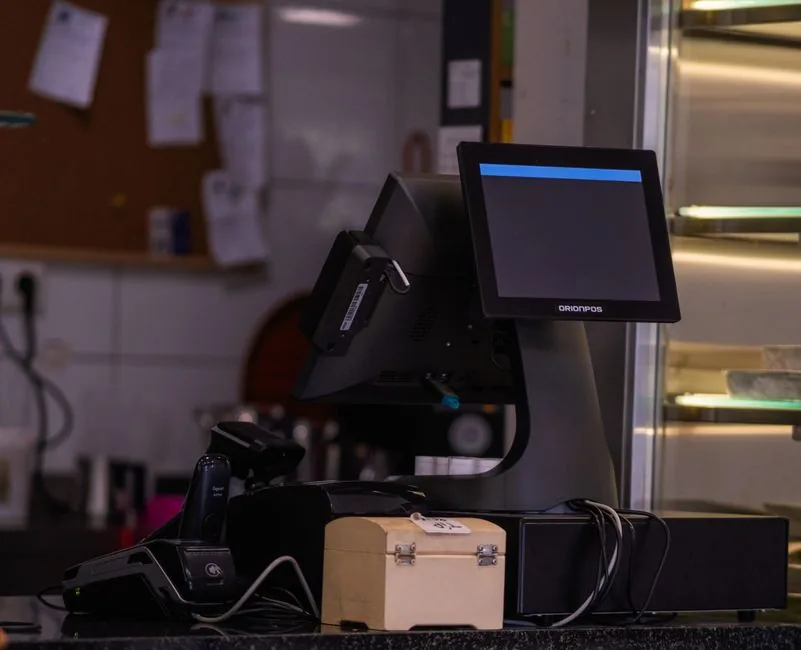
Understanding the Point of Sale POS Terminal
A point of sale pos terminal is a critical component of modern retail and service businesses. It serves as the intersection between customer transactions and business operations. In today’s fast-paced market, having an efficient point of sale pos terminal can streamline operations, enhance customer experience, and drive sales. This article explores the functionalities, benefits, and best practices associated with point of sale pos terminals.
What is a Point of Sale POS Terminal?
Definition and Functionality
A point of sale pos terminal is a hardware and software system that enables businesses to conduct sales transactions. It typically includes a cash register, card reader, barcode scanner, and a tablet or computer interface. The primary function of a point of sale pos terminal is to process payments efficiently and accurately, ensuring swift service for customers.
Types of Point of Sale POS Terminals
There are several types of point of sale pos terminals available, including:
- Traditional POS Terminals: These are fixed systems often found in brick-and-mortar stores. They consist of multiple hardware components and are typically used for high-volume transactions.
- Mobile POS Terminals: These portable devices allow businesses to accept payments anywhere. They are especially useful for businesses that operate on-the-go, such as food trucks and pop-up shops.
- Cloud-Based POS Systems: These systems store data on the cloud, allowing access from any internet-enabled device. They are ideal for businesses that require flexibility and remote access to sales data.
Benefits of Using a Point of Sale POS Terminal
Enhanced Customer Experience
Implementing a point of sale pos terminal can significantly enhance customer satisfaction. With quicker transaction times, customers experience less waiting in lines. Furthermore, modern terminals often integrate loyalty programs and promotions, encouraging repeat business.
Improved Inventory Management
A key advantage of a point of sale pos terminal is its ability to track inventory in real-time. Businesses can monitor stock levels, receive alerts for low inventory, and generate reports to analyze sales trends. This data-driven approach helps optimize inventory management and reduce waste.
Choosing the Right Point of Sale POS Terminal
Assessing Your Business Needs
When selecting a point of sale pos terminal, it’s essential to assess your business requirements. Consider factors such as transaction volume, type of products or services offered, and whether you need mobility or cloud access. Understanding your needs will help you choose the right system.
Cost Considerations
The cost of a point of sale pos terminal can vary widely based on features and capabilities. Traditional systems may require a higher initial investment, while mobile and cloud-based options might have lower upfront costs but involve monthly fees. It’s crucial to evaluate the total cost of ownership in your decision-making process.
Implementation and Best Practices
Training Your Staff
Effective training is vital for a successful point of sale pos terminal implementation. Staff should be well-versed in using the system, understanding its features, and troubleshooting common issues. Adequate training ensures smoother transactions and better customer interactions.
Conclusion
In conclusion, a point of sale pos terminal is an indispensable tool for modern businesses. It enhances transaction efficiency, improves inventory management, and fosters better customer experiences. By understanding your business needs and choosing the right system, you can significantly enhance your operational capabilities. Upgrade your business today with a point of sale pos terminal and streamline your transactions!