
Choosing the Right POS System for Retail Store Management
In today’s competitive marketplace, having an efficient POS system for retail store operations is crucial. A robust POS system helps streamline transactions, manage inventory, and improve customer experiences. In this comprehensive guide, we will explore the essential features, benefits, and considerations when selecting the ideal POS system for your retail store.
Understanding POS Systems for Retail
What is a POS System?
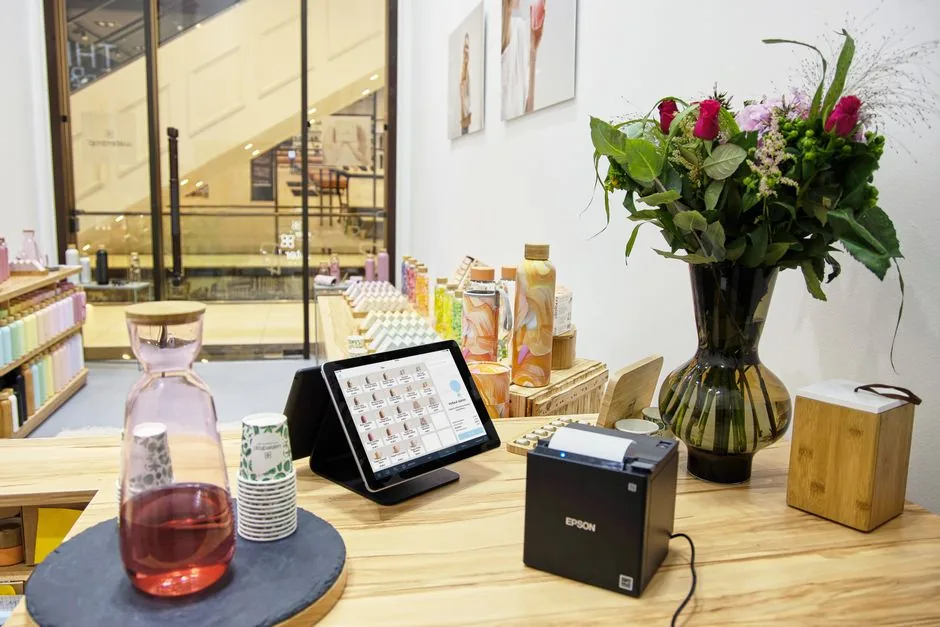
A POS system, or Point of Sale system, is a combination of hardware and software that allows retailers to process sales transactions. It typically includes a register, barcode scanner, receipt printer, and a digital interface. The software component manages inventory, sales analytics, and often integrates with other business systems.
Types of POS Systems
There are various types of POS systems available, including traditional, mobile, and cloud-based systems. Traditional POS systems are usually installed on-site, while mobile systems can be used on tablets or smartphones. Cloud-based systems offer flexibility, allowing access from any internet-enabled device, making them popular among modern retailers.
Key Features of a POS System for Retail Store
Inventory Management
An effective POS system for retail store operations should include robust inventory management capabilities. This feature allows retailers to track stock levels in real-time, manage reordering processes, and minimize stockouts. According to a study by the National Retail Federation, retailers with efficient inventory management systems can increase their sales by up to 10%.
Sales Reporting and Analytics
Sales reporting is another critical feature of a POS system for retail store. Advanced analytics provide insights into customer behavior, sales trends, and product performance. Retailers can use this data to make informed decisions, optimize their product offerings, and enhance marketing strategies, thereby increasing profitability.
Benefits of Implementing a POS System for Retail Store
Improved Efficiency
Implementing a POS system for retail store operations significantly improves transaction speed and accuracy. This efficiency reduces wait times for customers and enhances their shopping experience. A study by Square indicates that businesses with modern POS systems can process transactions 30% faster than those using traditional methods.
Enhanced Customer Experience
With features like loyalty programs, personalized promotions, and quick transaction processing, a POS system can enhance the overall customer experience. Retailers can build stronger relationships with customers, encouraging repeat business and fostering brand loyalty.
Choosing the Right POS System for Your Retail Store
Assessing Your Needs
Before selecting a POS system for retail store, it’s crucial to assess your specific business needs. Consider factors such as your store size, product range, and customer volume. This assessment will help you choose a system that aligns with your operational requirements and budget.
FAQs About POS Systems for Retail Stores
What is the average cost of a POS system for retail store?
The cost of a POS system can vary widely based on features and hardware. Generally, you can expect to pay between $1,000 to $5,000 for initial setup, plus ongoing subscription fees for software.
Can a POS system integrate with eCommerce platforms?
Yes, many modern POS systems offer integration with eCommerce platforms, allowing retailers to manage both in-store and online sales seamlessly.
Conclusion
Choosing the right POS system for retail store operations is a critical decision that can greatly impact your business’s efficiency and customer satisfaction. By understanding the features, benefits, and options available, you can select a system that enhances your retail operations. Don’t wait any longer; invest in a POS system for retail store today and watch your business thrive!