
Point of Sale Systems for Retail: A Comprehensive Guide
In the competitive landscape of retail, efficient operations are crucial for success. Point of sale systems for retail are vital tools that streamline transactions, manage inventory, and enhance customer experiences. These systems not only help businesses process sales but also provide valuable insights to drive growth. Understanding the various types of point of sale systems for retail can significantly impact your operational efficiency and customer satisfaction.
Understanding Point of Sale Systems for Retail
What is a Point of Sale System?
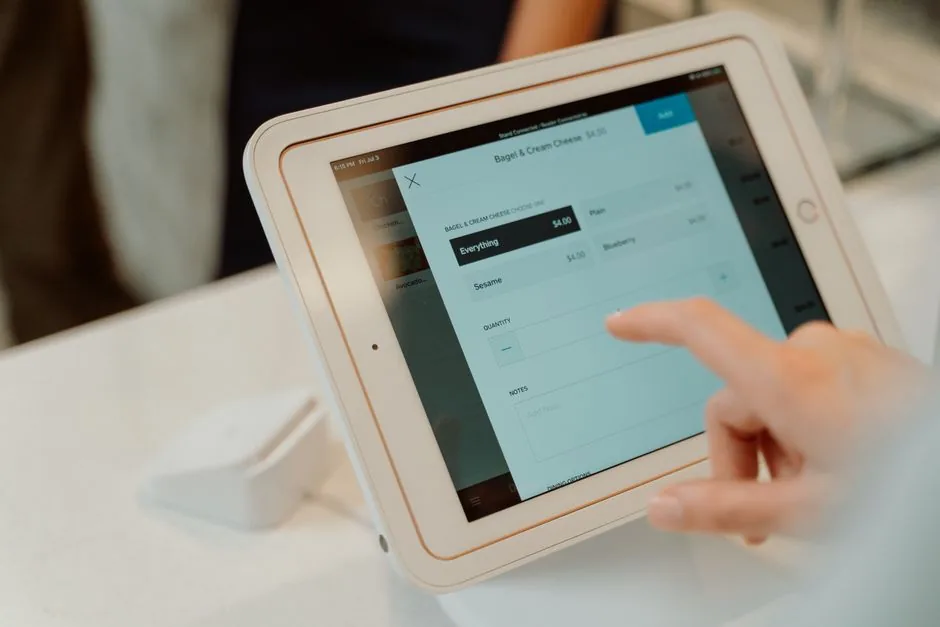
A point of sale system is a combination of hardware and software that allows retailers to conduct transactions. It typically includes a register, a card reader, and a computer or tablet. This system captures sales, processes payments, and manages inventory in real time. By utilizing point of sale systems for retail, businesses can expedite the checkout process and improve customer service.
Types of Point of Sale Systems for Retail
Point of sale systems for retail come in various forms, each tailored to specific business needs. Here are the main types:
- Traditional POS Systems: These are hardware-based systems usually found in physical retail stores. They often require significant upfront investment but provide robust functionality.
- Cloud-Based POS Systems: These systems operate online, allowing access to data from anywhere. They are typically subscription-based and ideal for businesses with multiple locations.
- Mobile POS Systems: These systems use smartphones or tablets to process payments on the go. They’re perfect for businesses that require flexibility, such as food trucks or pop-up shops.
Benefits of Point of Sale Systems for Retail
Enhanced Customer Experience
Point of sale systems for retail directly improve customer satisfaction. Faster checkout processes reduce wait times, making for a smoother shopping experience. Additionally, features like loyalty programs and personalized promotions can be integrated into the system, encouraging repeat business.
Inventory Management
Effective inventory management is crucial for retail success. Point of sale systems for retail help track stock levels in real time. This capability reduces the risk of overstocking or stockouts, ensuring that popular items are always available. According to a report by Retail Dive, effective inventory management can increase sales by up to 20%.
Key Features to Look for in Point of Sale Systems for Retail
Payment Processing Options
Today’s consumers expect diverse payment methods. Ensure that your chosen point of sale systems for retail support credit cards, debit cards, mobile wallets, and even cryptocurrency. This flexibility can significantly enhance the customer experience.
Reporting and Analytics
Data-driven decisions are essential for retail success. Point of sale systems for retail should offer robust reporting features, allowing businesses to analyze sales trends, track employee performance, and understand customer preferences. These insights are invaluable for strategic planning and inventory management.
Choosing the Right Point of Sale System for Your Retail Business
Assessing Your Business Needs
Before selecting a point of sale system, assess your business requirements. Consider the size of your operation, the type of products you sell, and your budget. A comprehensive evaluation will guide you in choosing a system that aligns with your goals.
Tips for Implementing Point of Sale Systems for Retail
Successful implementation of point of sale systems for retail involves careful planning. Here are some tips:
- Train Your Staff: Ensure that employees are well-trained to use the system efficiently. This training will minimize errors and enhance operational efficiency.
- Test the System: Before going live, conduct thorough testing to identify any potential issues. This step will help avoid disruptions during busy sales periods.
- Monitor Performance: After implementation, continuously monitor the system’s performance. Regular updates and feedback will help optimize its use over time.
In conclusion, point of sale systems for retail are essential tools that can transform how businesses operate. By streamlining sales, managing inventory, and enhancing customer experiences, these systems offer a competitive edge. When choosing a system, consider your unique business needs and the features that will best support your operations. Explore the options available and take the first step towards improving your retail efficiency today!