
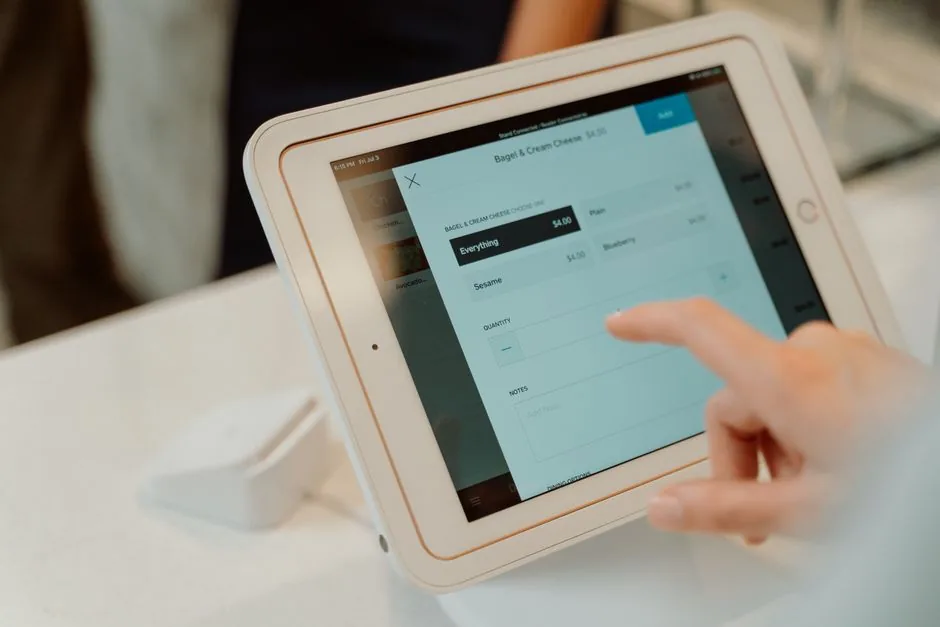
Understanding the POS Point of Sale System for Businesses
A pos point of sale system is essential for modern businesses, streamlining transactions and improving customer experience. In today’s fast-paced retail environment, having an efficient system can be the difference between success and failure. This article will delve into the features, benefits, and key considerations when implementing a pos point of sale system in your business.
What is a POS Point of Sale System?
Definition and Components
A pos point of sale system refers to the hardware and software that enable businesses to process sales transactions. This system typically includes a terminal, cash register, barcode scanner, and receipt printer. Additionally, the software component manages inventory, sales data, and customer information. Together, these elements create a comprehensive solution for managing transactions effectively.
Types of POS Systems
There are various types of pos point of sale systems available, each catering to different business needs. Cloud-based systems allow for remote access and updates, making them ideal for businesses with multiple locations. Mobile POS systems are perfect for restaurants and retail shops that require flexibility. Traditional POS systems, while less common now, are still used in many established businesses for their reliability and offline capabilities.
Benefits of Implementing a POS Point of Sale System
Increased Efficiency
One of the primary advantages of a pos point of sale system is the increase in operational efficiency. Transactions can be completed faster, reducing wait times for customers. According to a study by the National Retail Federation, businesses that utilize advanced POS systems report a 30% increase in transaction speed, enhancing overall customer satisfaction.
Improved Inventory Management
Another significant benefit is improved inventory management. A pos point of sale system allows businesses to track inventory levels in real-time. This feature minimizes the risk of stockouts and overstock situations, ensuring that businesses maintain optimal inventory levels. According to a report by Research and Markets, effective inventory management can reduce costs by up to 25%.
Choosing the Right POS Point of Sale System
Identifying Business Needs
When selecting a pos point of sale system, it’s crucial to identify your business needs. Consider factors such as the size of your operation, the volume of transactions, and specific industry requirements. A retail store may require different features compared to a restaurant, such as table management or employee scheduling.
Evaluating Features and Costs
Another key consideration is evaluating the features and costs associated with various pos point of sale systems. Look for systems that offer essential features like reporting, analytics, and customer management tools. Compare pricing models, including upfront costs, monthly subscriptions, and transaction fees, to find a solution that fits your budget.
Common Challenges and Solutions
Technical Issues
While implementing a pos point of sale system can offer numerous benefits, businesses may face technical issues. Common problems include software glitches, hardware malfunctions, and connectivity issues. To mitigate these challenges, it’s essential to choose a reliable provider that offers robust customer support and regular updates.
Conclusion
In conclusion, a pos point of sale system is vital for businesses looking to improve efficiency and customer satisfaction. By understanding the components, benefits, and considerations of these systems, you can make informed decisions that will help your business thrive. Don’t wait—invest in a pos point of sale system today to streamline your operations and enhance your customer experience!