
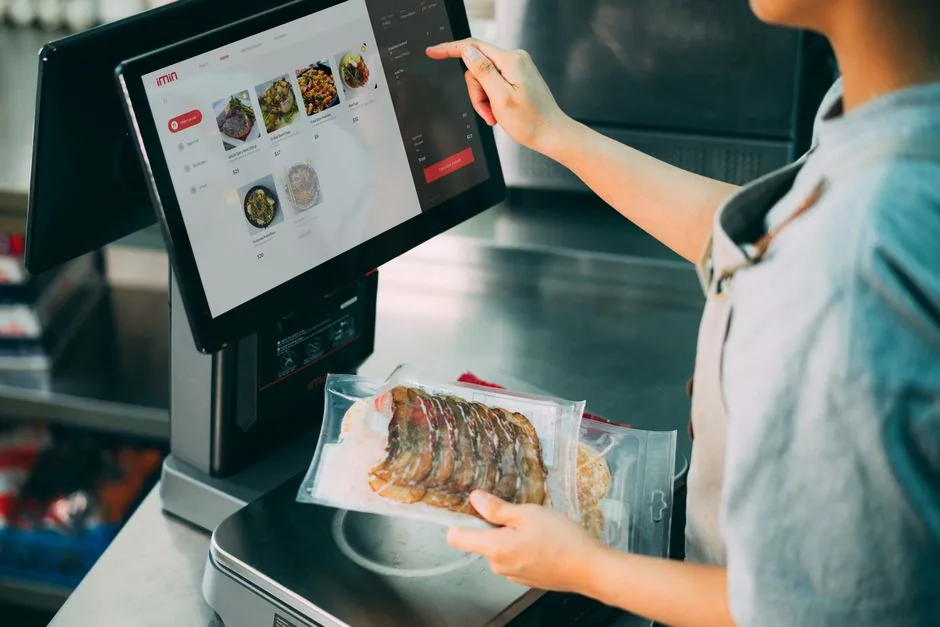
Understanding POS in Software: Revolutionizing Retail Management
The integration of pos in software has significantly transformed retail and service-oriented businesses. Today, effective point of sale (POS) systems are crucial for optimizing operations, enhancing customer experiences, and providing valuable insights. In this article, we will explore the fundamentals of pos in software, including its features, benefits, and the latest trends shaping the industry.
What is POS in Software?
Definition and Overview
POS in software refers to the digital systems that facilitate sales transactions in retail environments. These systems streamline the checkout process, manage inventory, and track customer data. Modern POS software often integrates various functionalities, such as payment processing, sales reporting, and customer relationship management.
Types of POS Systems
There are primarily two types of POS systems: cloud-based and on-premise solutions. Cloud-based POS systems store data on remote servers, allowing access from any device with internet connectivity. On-premise systems require physical hardware, providing businesses with a more controlled environment. According to a recent study, 70% of businesses are moving towards cloud-based solutions for their flexibility and scalability.
Benefits of Using POS in Software
Improved Efficiency
One of the most significant advantages of implementing pos in software is improved operational efficiency. By automating tasks such as inventory management and sales tracking, businesses can reduce human error and save valuable time. According to industry reports, businesses that utilize advanced POS systems experience a 25% increase in operational efficiency.
Enhanced Customer Experience
POS in software directly impacts customer experience. With faster checkout processes and personalized service, customers are more likely to return. For example, many POS systems offer loyalty programs and targeted promotions, fostering customer retention and satisfaction. A survey indicated that 60% of consumers prefer shopping at stores that provide loyalty rewards.
Key Features of Modern POS in Software
Inventory Management
Effective inventory management is a cornerstone feature of pos in software. Businesses can track stock levels in real-time, receive alerts for low inventory, and generate sales reports. This capability helps retailers avoid stockouts and overstock, ensuring optimal inventory levels.
Trends Shaping POS in Software
Mobile POS Solutions
Mobile POS systems have gained traction in recent years, allowing businesses to process transactions via smartphones or tablets. This flexibility is particularly beneficial for businesses with limited physical space or those that operate in outdoor settings, such as food trucks or pop-up shops. Studies show that mobile POS systems can reduce transaction times by up to 30%.
Tips for Choosing the Right POS in Software
When selecting a POS system, consider your business size and industry requirements. Look for features that align with your operational needs, such as multi-store capabilities or advanced reporting tools. It is also essential to evaluate customer support options to ensure assistance is available when needed.
In addition, conduct thorough research and compare different providers. Read customer reviews and request demos to see how the software functions in real-time. Choosing the right pos in software can significantly affect your business’s success.
Conclusion: In conclusion, the integration of pos in software is revolutionizing how businesses operate. From enhancing efficiency to improving customer satisfaction, the benefits are substantial. As technology continues to evolve, staying updated with the latest trends in POS software will help your business thrive. Embrace the future of retail management by investing in a robust POS solution today!