
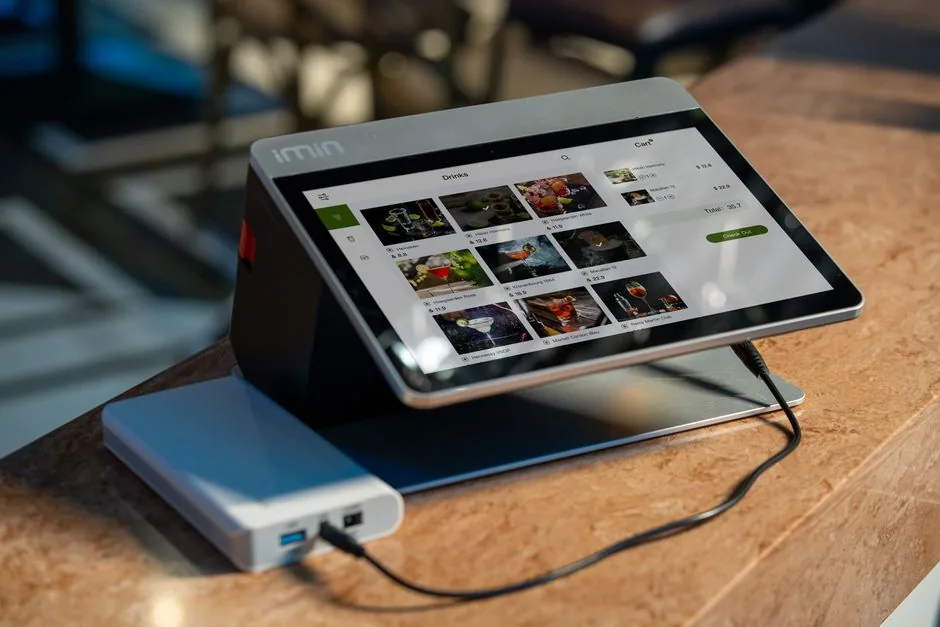
Understanding the Importance of a POS System
A point of sale (POS system) is a critical component for businesses today. It streamlines operations, improves customer service, and enhances inventory management. In this article, we will explore the various facets of a pos system, its benefits, and how it can revolutionize your business.
What is a POS System?
Definition and Components
A POS system is a combination of hardware and software that allows businesses to conduct sales transactions. The primary components typically include a computer or tablet, a cash register, a barcode scanner, a receipt printer, and payment processing hardware. These tools work together to facilitate sales, manage inventory, and track customer data.
Types of POS Systems
There are several types of POS systems available in the market. These include traditional systems that operate on-premise and cloud-based systems that can be accessed online. Cloud-based systems are increasingly popular due to their flexibility, automatic updates, and remote access capabilities. Choosing the right type depends on the specific needs of your business.
Benefits of Implementing a POS System
Improved Efficiency and Speed
One of the main advantages of a pos system is the significant improvement in transaction speed. With efficient software, transactions can be completed in seconds. This efficiency not only enhances the customer experience but also reduces wait times, leading to higher customer satisfaction and potentially increased sales.
Accurate Inventory Management
Inventory management can be a daunting task for many businesses. A pos system automates this process by tracking inventory levels in real time. Businesses can easily see what products are selling well and what needs to be restocked. This data-driven approach helps minimize overstock and stockouts, ultimately saving money.
Choosing the Right POS System for Your Business
Consider Your Business Type
The first step in selecting a pos system is to evaluate your business type. Retail stores, restaurants, and service providers have different needs. For instance, a restaurant may require features like table management and split billing, while a retail store may benefit from loyalty programs and promotions.
Evaluate Key Features
When choosing a pos system, look for key features that will benefit your business. Essential features often include sales reporting, employee management, and customer relationship management. Additionally, consider ease of use, integration capabilities with other software, and customer support.
Challenges and Considerations
Cost of Implementation
Implementing a pos system can be a significant investment. Costs vary widely depending on hardware, software, and ongoing maintenance. It’s essential to evaluate your budget and choose a solution that provides the best return on investment.
Training and Transition
Transitioning to a new pos system requires training for staff. Proper training ensures that employees can use the system effectively, minimizing disruptions during the transition. Consider choosing a provider that offers training and support to ease the process.
Conclusion and Call to Action
In conclusion, a pos system is a vital tool that can enhance efficiency, improve customer experiences, and streamline operations. By considering your business needs and evaluating various options, you can find the ideal system that drives growth. Take the next step and explore pos system solutions that will transform your business today!